Navigation
TRAINING and GUIDED Diving
All the Courses from Open Water to reActivate; from DiveMaster through to Instructor and all of the specialties, The Scuba Doctor Australia can arrange the right scuba diving courses for you.
Learn to Dive in Melbourne
Divers often joke about whether they are "certified" or just "certifiable". Often the answer is both! :-) Here's what you need to know to join this off-beat tribe of underwater explorers by doing an internationally recognised Open Water dive course that certifies you to dive not just in Melbourne, but anywhere in the world.
Can You Handle Diving?
Experienced divers actually try not to swim very much (to conserve air), but it is important to be comfortable in the water and in reasonably good shape. Before doing your Open Water certification course you will need to complete a comprehensive medical statement.
If you answer YES to any question on the first page of this form, or are under 16 years old, or are aged 45 or more, you will be referred to a qualified physician for a Diving Medical assessment that conforms to Australian Standard AS4005-1. Overseas dive medicals are generally not accepted unless they are equal or better than the AS4005.1 standard.
Essential Diving Skills
Obviously there are some skills to learn in order to get yourself underwater with a breathing apparatus. You need to learn these skills from highly-skilled diving instructors via an Open Water dive course from one of the sport's major certification organisations. The Scuba Doctor has diving instructors available who are certified to the highest levels.
Open Water Certification in Melbourne
The common name for the dive course that will enable you to go out and dive with a dive buddy is "Open Water ". Typically an Open Water course certifies you to dive to a maximum depth of 18 metres (60 feet).
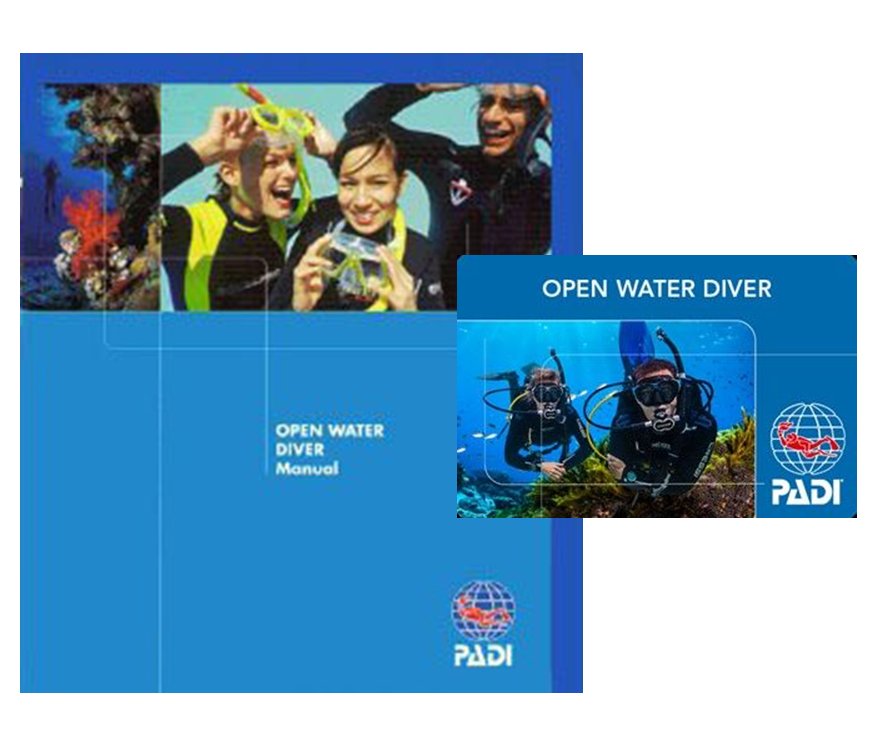
An Open Water Course is the first official step in scuba diving training, where you will learn all the fundamentals to help you become a confident scuba diver. No prior scuba experience is necessary and upon successful completion of the course you will receive an Open Water Diver certification card, which is a lifelong, internationally recognised scuba diving rating and can be used anywhere around the globe.
There are dive courses, with names like "Scuba Diver " and "Advanced Adventurer ", that only qualify you to dive with a dive professional to a maximum depth of 12 metres (40 feet). Don't be tricked into doing one of these courses. You need to do a full Open Water course in order to be certified to dive with a buddy and enjoy exploring the underwater world.
Your Open Water course will be the most important dive training course you ever do. And we'll do everything we can to make sure it's fun to do as well. Yes, it can be expensive, but the certification is valid for life.
Australian Standards
All of the diver training courses we arrange are guaranteed to exceed the requirements of the training certification organisation the training is being conducted under, plus Australian Standards. Many dive centres cut corners and try to do the minimum they think they can get away with, rather than comply with, or exceed best practice.
For your reference, here are some things included in the Australian Standards:
Australian Standard - AS 4005.1-2000
Training and certification of recreational divers
Part 1: Minimum entry-level SCUBA diving1.2 OBJECTIVE The objective of this Standard is to specify the organizational and syllabus requirements to train recreational divers to operate safely and competently to a depth of dive of 18 m using SCUBA.
1.6 SELECTION CRITERIA The trainee shall comply with the following requirements:
- Be at least 14 years of age. Persons who have reached 12 years of age may in some cases be eligible to train for conditional certification which allows the young person to dive with a certified diver with the consent of parents or guardians.
- Effectively demonstrate a 10 min period of floating/treading water without the use of mask, fins, snorkel, or flotation equipment.
- Before certification, demonstrate the ability to swim 200 m on the surface (any style) without the use of mask, fins, snorkel, or flotation equipment.
Some of the guidelines for Open Water training specified under the Australian Standard include:
- An open water training dive shall consist of a dive of at least 20 min underwater time to depths of between 4 m and 18 m.
- Trainees shall not participate in more than three open water training dives on any given day.
- The maximum number of trainees for in-water training in open water shall not exceed eight trainees per SCUBA instructor or ten trainees per SCUBA instructor with a certified assistant.
Are You Old Enough To Learn To Scuba Dive?
At The Scuba Doctor we start everybody learning to dive with a full Open Water level course where they will be qualified to dive to 18 metres. We require students to be at least 12 years of age.
Some dive training agencies permit kid's as young as 10 to learn to dive and some dive shops will do that here in Australia. They will typically run a "Junior Open Water" course where the qualified diver is restricted to a depth of 12 metres. However, we prefer to go along with the recommendations in the Australian Standards (see 16.1.1 above), plus the guidelines of the South Pacific Medicine Society (SPUMS) and a highly-respected local diving doctor.
The SPUMS Diving Medical
A4.2 Age
Any medical risk assessment of children under the age of 16 should include parents or guardians. This assessment should establish the child's physical and psychological maturity. Between the ages of 16 and 18 years it is preferable to consult the parents or guardians before conducting any risk assessment.
Are You Too Old To Learn To Scuba Dive?
We're not aware of any upper age limit for scuba diving. Indeed we know Melbourne scuba divers in their 80s who get in more dives each year than most scuba divers. The SPUMS recommends that from the age of 45 years, all divers should have regular assessments at no longer than five yearly intervals. We think this makes good sense.
However, if your age is 45 years or older, we will require you to get a dive medical certificate – see Diving Medical.
Melbourne / Victorian Diving
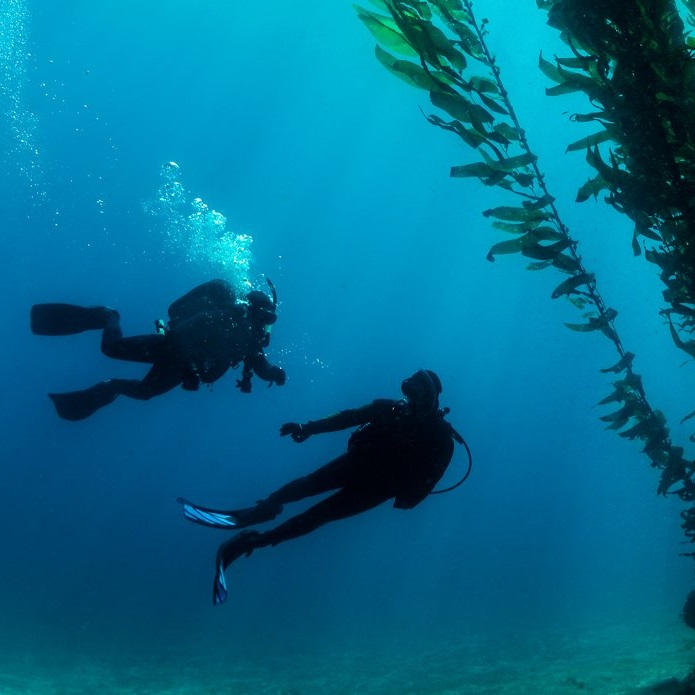
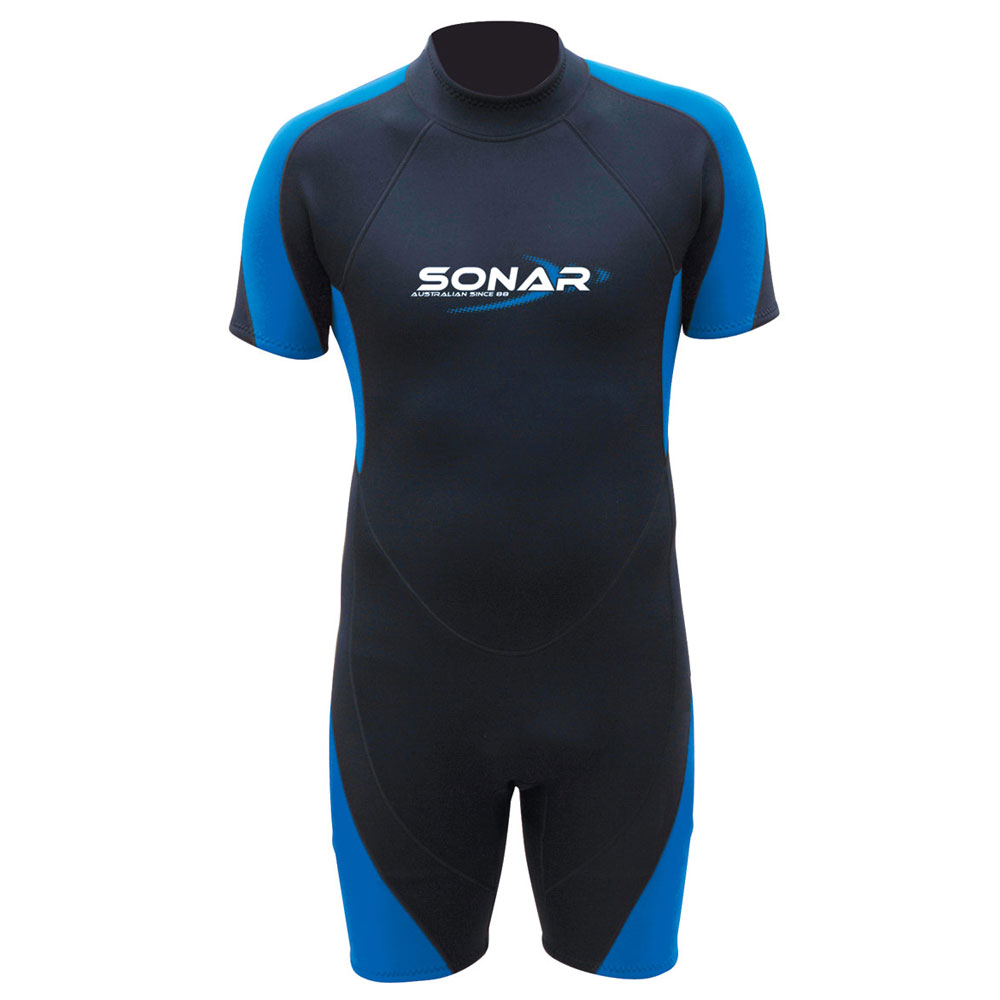
It's more difficult to learn to dive in Melbourne, Victoria than at a tropical resort. The diving conditions in Melbourne are typically much more challenging and the water is colder. Thus you're in a thicker 5 or 7 mm wetsuit which will be more restrictive than anything typically used in the tropics. Because the wetsuit is more buoyant you'll need more weight on your weight belt. But learning how to overcome these challenges is certainly worth it.
People who only learn the bare minimums elsewhere, or here in Melbourne, often fail to cope with the more difficult diving conditions in Melbourne. Thus they only dive elsewhere and miss out on magnificent Melbourne local diving.
Some Melbourne dive centres don't include boat dives in their Open Water training courses. We believe that an Open Water course conducted in Melbourne should include a boat dive. There is a good chance that you'll be diving from a boat from time to time to access many wonderful dive sites, so you should be properly prepared for it.
If you are taught to dive properly in Melbourne conditions, we believe you are just about ready to dive almost anywhere in the world. Plus you'll be able to make the most of the unique, world class shore and boat dives available to you locally in Melbourne.
Please don't fall into the trap of buying on price and getting a bare essentials Open Water course, only to find out later you'll need to pay a lot more for additional training dives so that you are adequately trained to begin your dive adventures locally.
Know What You're Getting
There are plenty of dive centres offering excellent learn to dive courses in Melbourne. However, there are also some offering inferior Open Water courses.
Not a full Open Water course. — There are dive centres using group/discount buying web sites like Scoopon, Groupon and Cudo to promote their cheap diving courses. But not all of these dive centres are offering a full Open Water dive course. Instead, it's often a "Scuba Diver" course. They just make it seem like it's an Open Water course to lure you in.
No boat dives. — Some dive centres in Melbourne are offering an Open Water course based on pier dives only. No boat dives are included in their courses. Gradually swimming out from a pier, following the sandy bottom down to a depth of between 12 to 18 metres deep is relatively easy. Learning to descend in Open Water from a boat on the surface straight down to a 12 to 18 metres bottom depth and later do a controlled ascent back to the surface, requires more skills and better prepares you for real diving in Melbourne and elsewhere. That's why the instructors used by The Scuba Doctor include boat dives in their Open Water course.
Hidden extras. — You need to know just what other dive centres may be leaving out of their Open Water dive course so that they can offer you such a cheap price. Plus you need to know how much extra they will charge you for the additional dives you'll need to properly attain the valuable skills they left out.
Ask these questions. — If you're thinking about doing your Open Water course with another dive centre in Melbourne, please ask them the following:
- Will the dive course they run provide you with a full Open Water certification?
- Will their Open Water course include a boat dive?
- Does their Open Water dive course exceed Australian Standards and local best practice?*
- How many students will be on the course with you?
- What will be the Instructor to student ratio on the course?
- Are there any hidden extras?
* Some courses are run to just barely comply with the minimum requirements set by certification agencies based on easier diving conditions elsewhere.
Private and Group Tuition in Melbourne
We offer both bespoke and group with personalised private tuition. You will be the one and only priority of your diving instructor. That is, unless you opt to share your instructor with a family member, partner or friend.
This course is ideal for the busy professional needing the flexibility of an Open Water course, structured around them! The time frame of this course is tailored to suit each individual.
This course is very much your course, designed to accommodate your needs and your timetable. You will have your own personal instructor, allowing for a greater focus on your progress as well as more time in the open water — where it matters! This will ensure that you are a safe and competent diver.
This lets you learn at your own pace and enjoy your Open Water Course. It's an unrushed experience. Working together with your personal Scuba Instructor you can choose which times of day you want to schedule your dives and training.
Our personalised Open Water dive programme simply means more focused training, customised scheduling, and no down time waiting for others. The result is better diver and more time on each ocean dive to explore with your instructor.
Our Open Water Course Program
We also run 2-on-1 and scheduled courses - with a maximum of 4 students.
Your Open Water course is made up of 3 modules:
- Theory — The home study component of the theory is done online, at your convenience, and at your pace. It is then reviewed in a classroom environment with your Instructor.
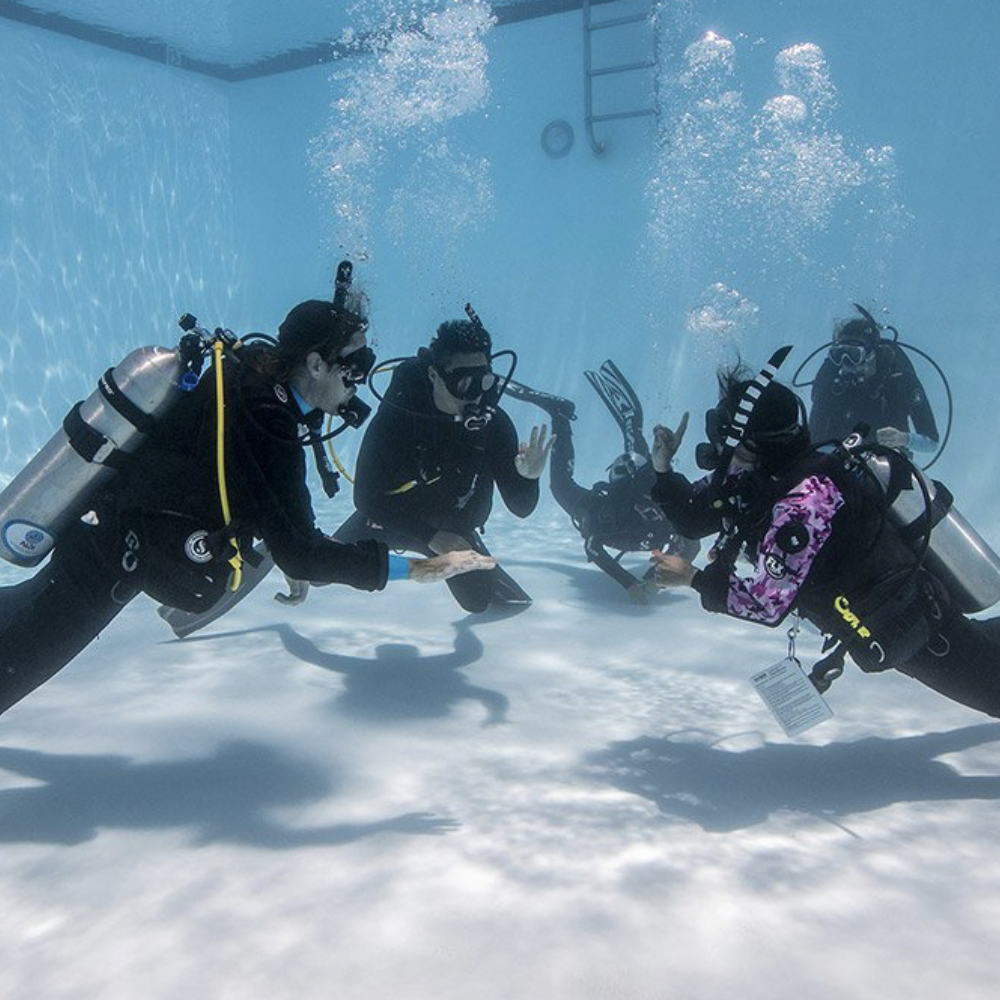
- Confined Water (Pool) Training — This is the most important part of your dive course. You will be taught all the skills you need to master, in the safety and comfort of a pool.
- Open Water Training — You will then complete open water shore dives where you will demonstrate to your instructor your ability to perform the skills learnt in the pool. You will finish your course with boat dives experiencing the best of Victorian diving.
Open Water Course Prices
Please see our Open Water Course prices here.
Gear Up
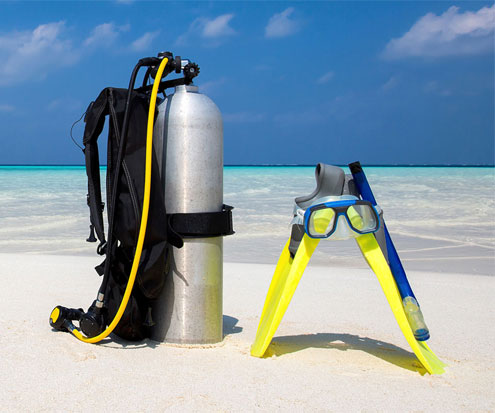
To get started with your open water certification you'll want to purchase a mask, snorkel, fins and boots that have a personalised fit to optimise your experience. As you progress in your diving you'll want to consider personalising all your gear to get the most out of your diving lifestyle!
You will learn more about the rest of the gear you will use to scuba dive using your Open Water Course. While terms like regulator, BCD or dive computer may seem foreign to you now, these items are easy to use and will make your diving experience feel as natural as sitting at your computer — but much more fun!
Dive equipment falls into three categories: Personal, Required and Gadget.
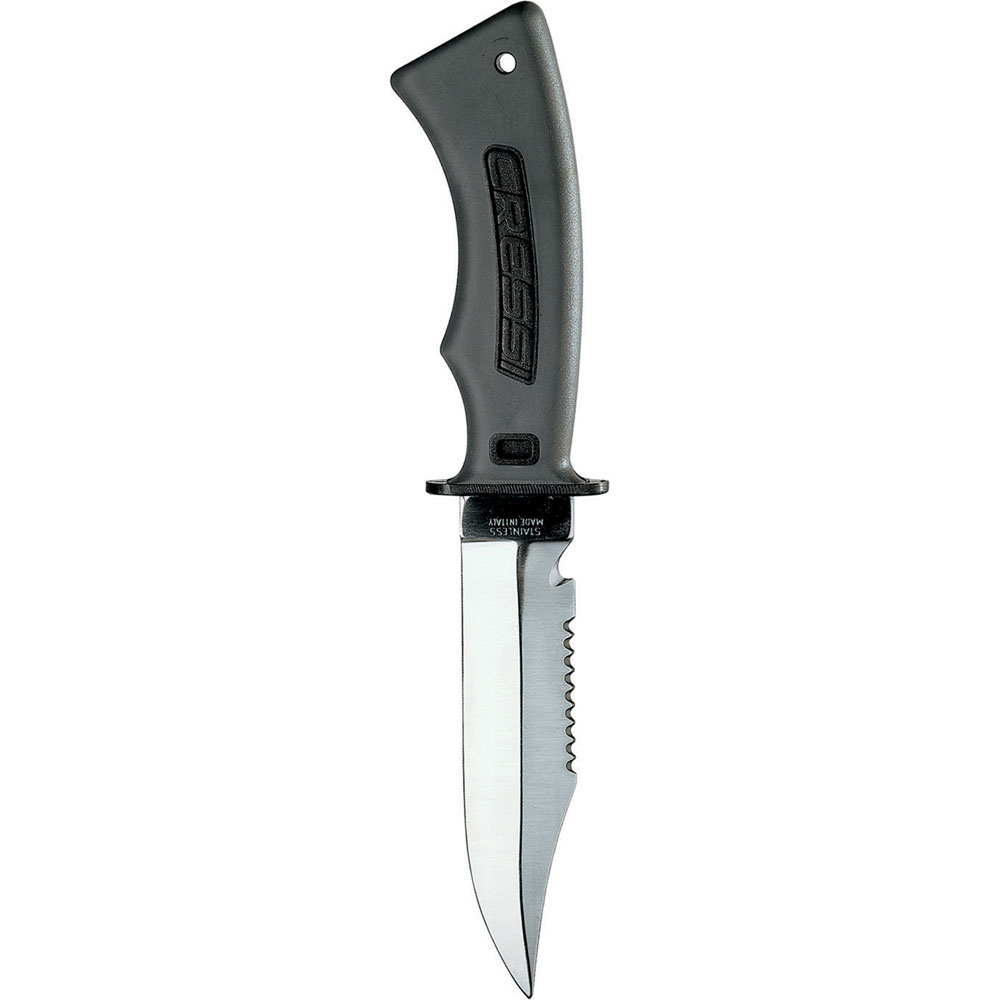
Personal Dive Gear includes a mask, snorkel, fins and dive boots. Many dive centres will require you to already have these items, and we'd suggest you do to. The Australian Standard for diving suggests you should also have a Diving Compass and a cutting implement (Knife).
Typically other dive centres will charge you full retail price to buy these personal items. They expect to make lots of money selling you dive gear and thus often price dive courses as a "loss leader". You can save heaps by buying your personal items from The Scuba Doctor Online Dive Shop at our everyday low prices.
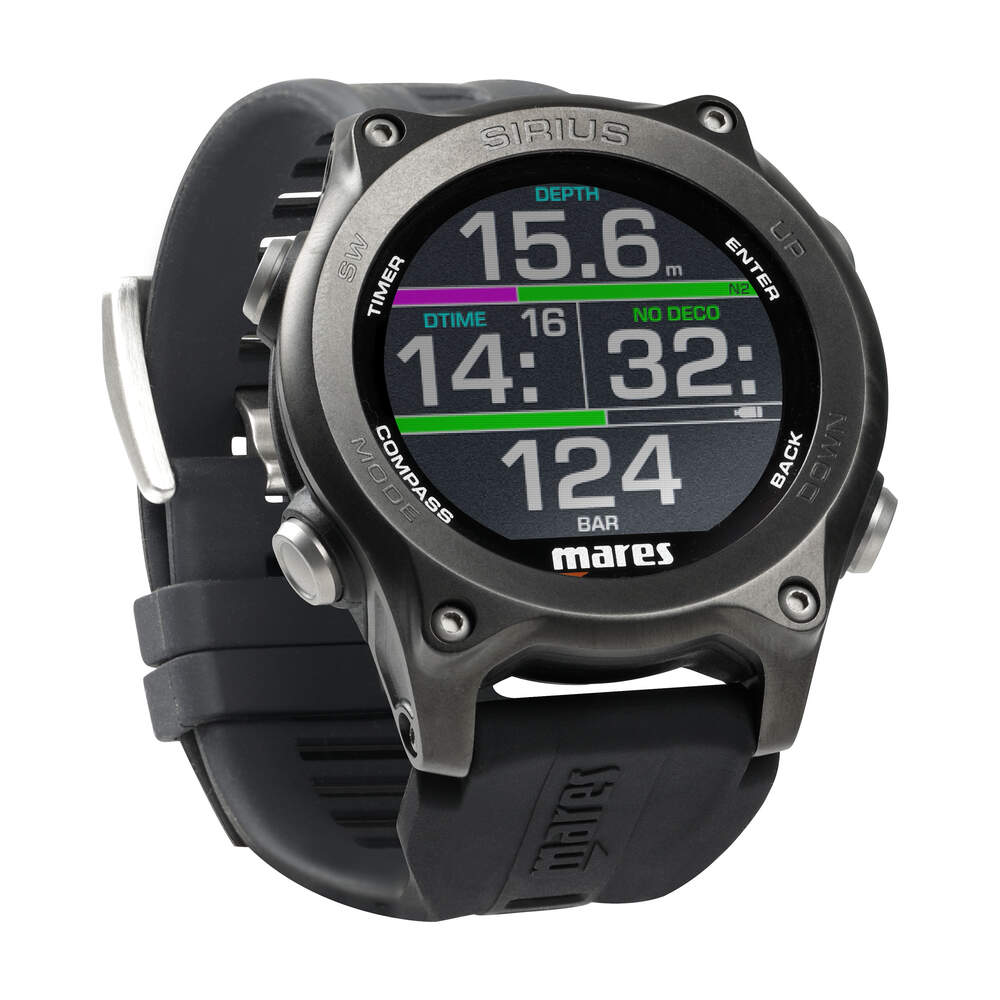
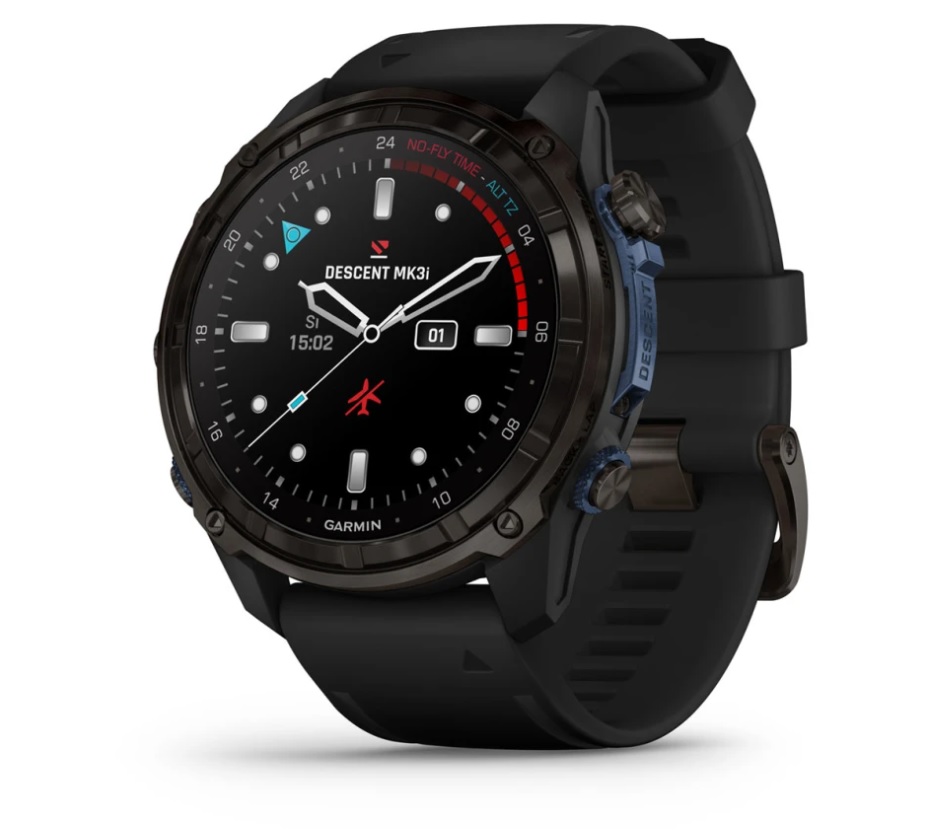
Required Dive Gear includes a buoyancy compensator (BC), regulator, octopus, dive computer, dive cylinder, surface pressure gauge, weight system, weights and often a wetsuit. Typically the rental of these required items is included in the price of your Open Water dive course.
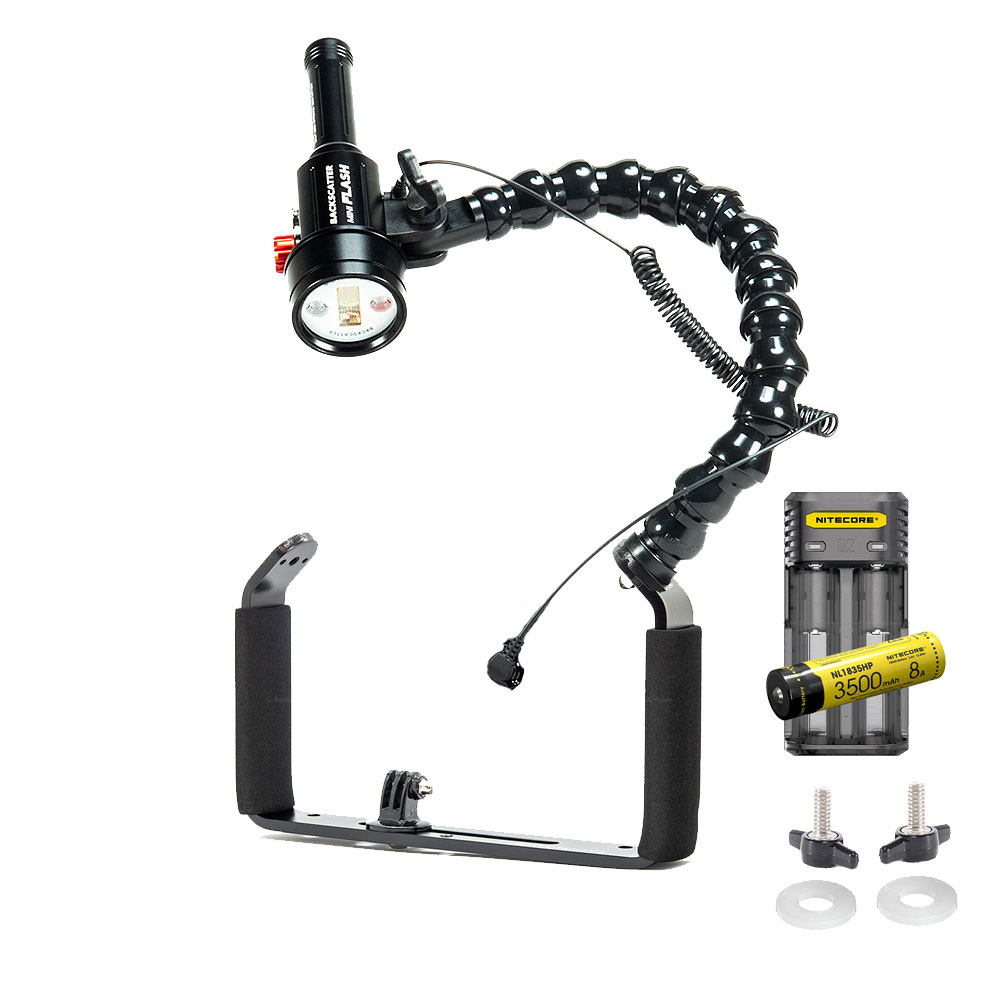
Gadget Dive Gear is usually associated with a particular type of diving — night diving, underwater photography, or search and recovery — and includes knives, underwater slates, cameras, strobes, video recorders, lights, lift bags, lines, reels, and even underwater laser pointers. You typically don't need these items during an Open Water dive course.
Your own mask, snorkel, wetsuit, fins and dive boots are worth owning because a proper fit makes all the difference. We can help you choose the right type of personal dive gear for the diving you're likely to do, plus save you heaps of money. Check out the information in our Online Dive Shop, and/or call us to talk to an expert.
Speak the Language of Diving
Some scuba diving terminology you might need to know includes:
- BC:
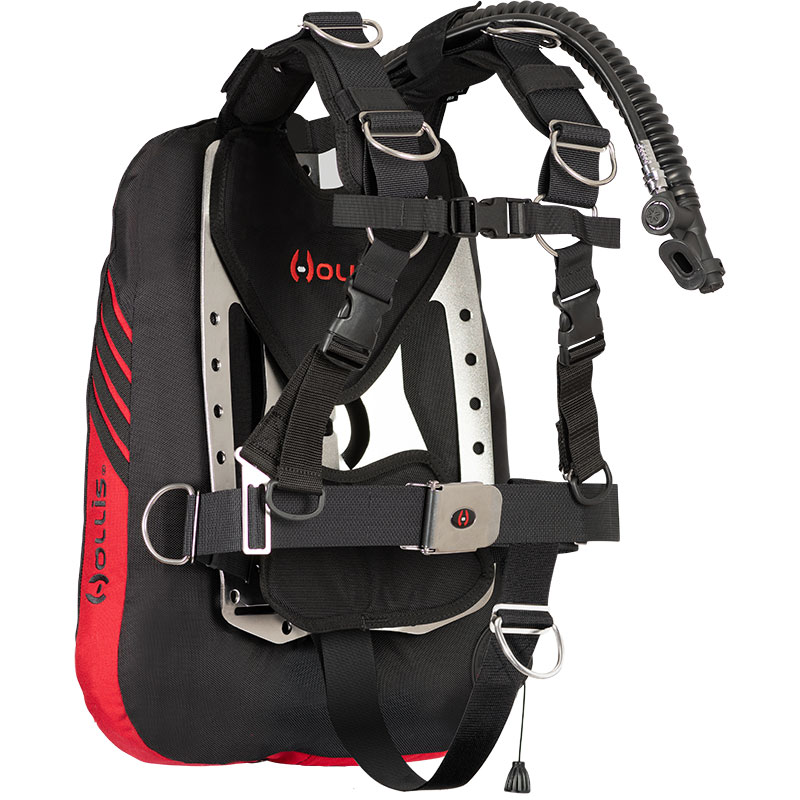
- Short for buoyancy compensator, a jacket-like device that secures a tank to the diver's back. It can also be inflated or deflated to allow divers to become neutrally buoyant.
- Regulator:
- A mouthpiece unit that attaches to a diver's tank. The regulator includes a primary mouthpiece, an alternate mouthpiece (often called an "octopus"), a pressure gauge (to measure the amount of air in the tank) and a depth gauge.
- Dive tables:
- A series of charts used by divers to plan appropriate depths and times for given dives. Dive computers are electronic versions of the tables that can be taken underwater.
- The Bends:
- Layman-speak for "decompression sickness", a painful and sometimes fatal injury caused by spending too much time too deep or by surfacing too quickly.
- Hand signals:
- A universal underwater language. The most common signals are "thumbs up" for ascend, "thumbs down" for descend and the "OK" sign. Creative divers also have informal hand signals, ranging from "Shark!" to "I'm nervous" to "Come here you $%$!@!". See Underwater Hand Signals.
For more of the technical terms, jargon, diver slang and acronyms used in scuba diving please see Scuba Diving Glossary.
Need to know more?
If we've left some of your questions unanswered, then please take a look at our Dive Course FAQs page, or give us a call, or drop an email to us. More about: Dive Course FAQs - Answers to frequently asked questions about scuba diving courses

![Halcyon Infinity 30lb System [SS Small Backplate]](/diveshop/images/halcyon/Halcyon-Evolve-Wing.jpg "Halcyon Infinity 30lb System [SS Small Backplate]")